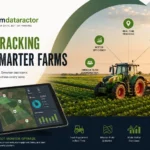
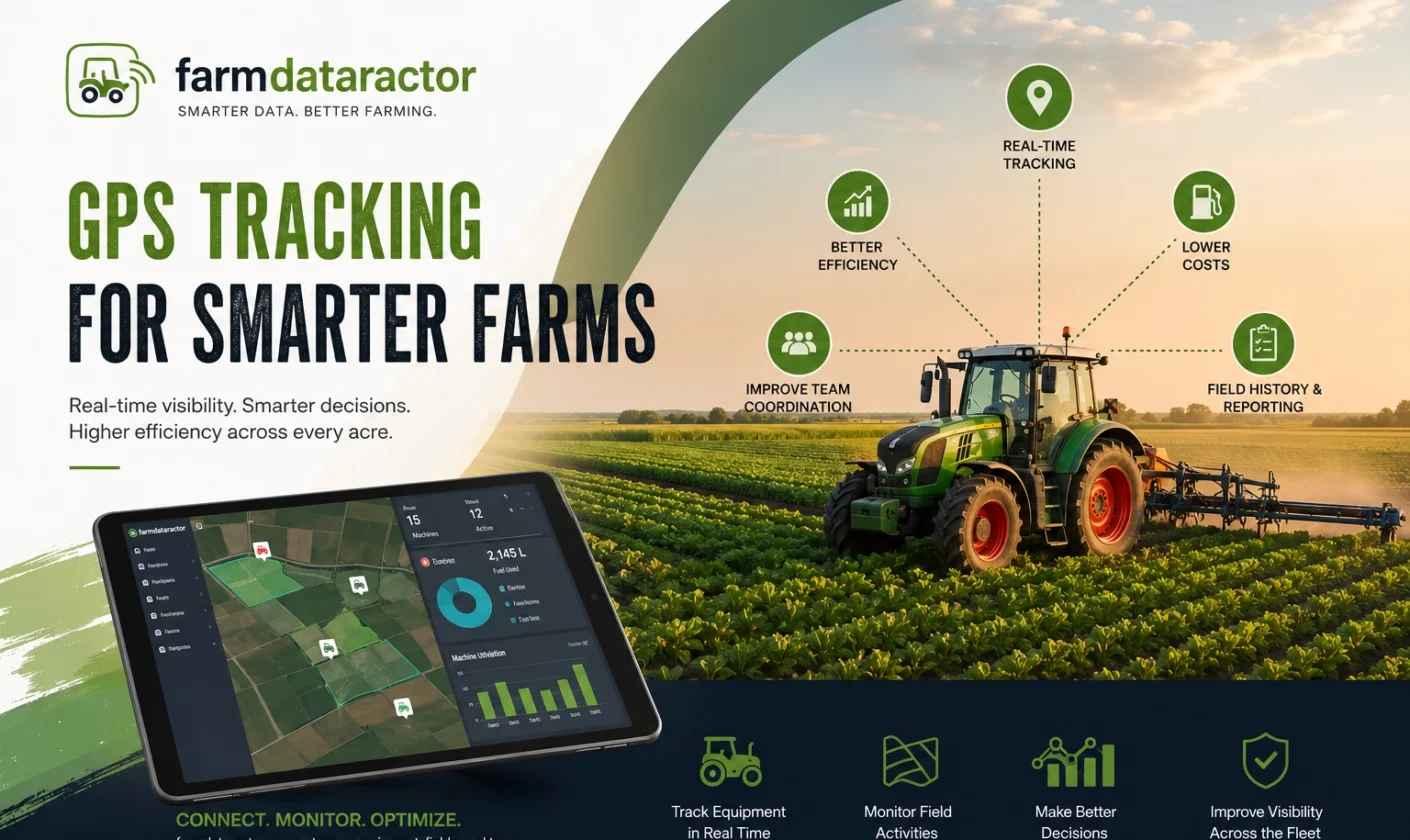
Modern farming depends on more than experience and hard work. As farms grow larger and operations become more complex, knowing where equipment is, how it is being used, and whether field activities are progressing as planned has become essential. GPS-based farm management systems help farmers gain real-time visibility into their operations and make better decisions every day.
Why GPS Tracking Matters in Modern Agriculture
Many farms still rely on phone calls, manual reporting, or visual checks to monitor field operations. While these methods may work on a small scale, they become inefficient as the number of machines, operators, and fields increases.
GPS tracking provides a centralized view of every asset in the field. Farmers and managers can instantly see where tractors, implements, sprayers, and support vehicles are operating, helping reduce uncertainty and improve operational control.
Real-Time Visibility Across the Farm
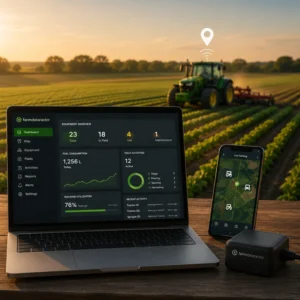
One of the biggest advantages of GPS tracking is real-time visibility.
Instead of wondering whether a tractor has reached a field or whether a spraying operation has started, managers can monitor activities directly from a dashboard. Live location data helps coordinate teams, reduce delays, and ensure work is completed according to plan.
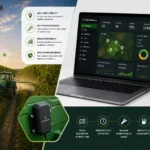
With a connected platform such as farmdataractor, field operations can be monitored from anywhere using a computer, tablet, or mobile device.
Reduce Idle Time and Improve Utilization
Farm equipment represents a significant investment. However, many farms struggle to understand how efficiently their machinery is being used.
GPS tracking helps identify:
- Excessive idle time
- Unused equipment
- Inefficient routes
- Delays between tasks
- Underutilized assets
By understanding actual machine usage, farms can optimize schedules and improve equipment utilization throughout the season.
Better Route Tracking and Field History
Every movement made by a machine creates valuable operational data.
GPS systems record route history, allowing farm managers to review:
- Which fields were visited
- When operations started and ended
- Travel paths between locations
- Time spent in each area
Historical records help verify completed work, support reporting requirements, and improve future planning.
Lower Fuel and Operating Costs
Fuel is one of the largest operating expenses in agriculture.
Poor routing, excessive idling, and unnecessary travel increase fuel consumption and reduce profitability. GPS tracking helps farms identify inefficiencies and make data-driven improvements.
Even small reductions in daily machine operating time can result in significant fuel savings over an entire season.
Improve Team Coordination
Modern farm operations involve multiple operators working across different locations.
GPS tracking enables managers to coordinate equipment, field crews, and tasks from a single platform. Instead of relying on constant phone communication, managers can view operational progress in real time and make faster decisions when priorities change.
Connecting Equipment, Fields, and Teams
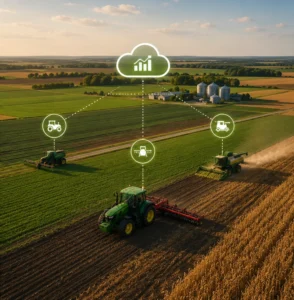
The real value of GPS tracking comes from combining location data with operational information.
This is the approach used by farmdataractor.
The platform connects equipment, operators, fields, and operational data into a single system, helping farms:
- Track equipment locations in real time
- Monitor field activities
- Manage farm operations efficiently
- Improve visibility across the entire fleet
- Make better decisions using live data
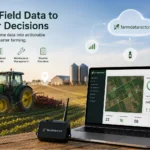
Rather than simply showing where a machine is located, farmdataractor provides the operational context needed to manage modern agricultural activities more effectively.
Conclusion
GPS tracking is no longer just a convenience for large agricultural enterprises. It has become a practical tool for farms of all sizes seeking better visibility, improved efficiency, and stronger operational control.
By connecting equipment, field activities, and operational data, farms can reduce waste, improve utilization, and make more informed decisions throughout the growing season. Solutions such as farmdataractor help transform raw location data into actionable insights that support smarter farming operations every day.